
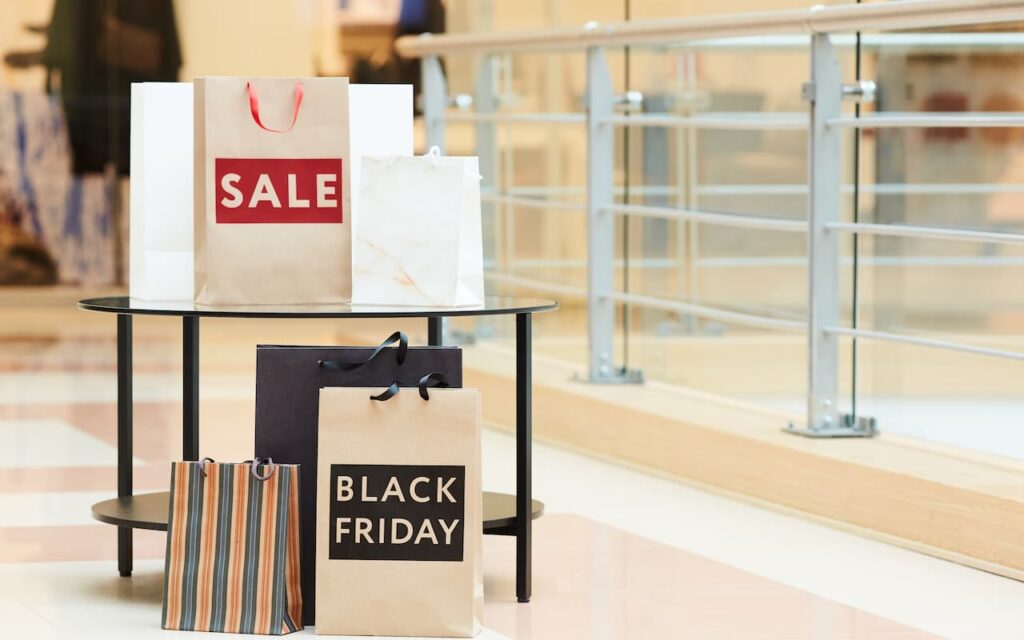
Maximizing revenue for Black Friday is not simply about offering the deepest possible discount. A successful in-store strategy combines attractive offers with thoughtful merchandising, knowledgeable employees, personalized recommendations, and a shopping experience that encourages customers to explore more of what the store has to offer.
The goal is to make every customer interaction count. From the moment shoppers enter the store to the point where they complete their purchase, there are opportunities to add value and increase the size of each transaction.
Create Limited-Time Offers That Encourage Immediate Purchases
Black Friday shoppers expect special deals, but a discount alone does not guarantee a purchase. Your offers should give customers a clear reason to act now rather than return later.
Limited-time promotions can create urgency without requiring you to discount every product in your store. Consider offering a special price on selected products for a specific period, such as the first two hours of the morning. You could also introduce rotating promotions throughout the day.
These time-based offers give shoppers a reason to keep browsing and can encourage customers who are already in the store to make additional purchases before a promotion expires.
Make sure promotional signs are easy to understand. Customers should immediately know what the offer is, which products qualify, and when the promotion ends. Confusing terms can slow down purchases and create unnecessary conversations at checkout.
Build Product Bundles That Increase Basket Size
Product bundles are another effective way to increase transaction values while giving customers a clear sense of value. Instead of selling individual products separately, combine complementary items into a package with a special price.
The key is to make the bundle feel useful rather than forced. Products should naturally complement one another and solve a specific customer need.
Bundles can also simplify purchasing decisions. Black Friday shoppers often enter stores with a long list of people to buy gifts for. A well-designed gift bundle can make it easier for them to choose a complete present without spending time searching for individual items.
Place bundles in high-traffic areas and use clear signage to communicate the combined value. Sales associates should also understand the bundles well enough to explain who each one is suitable for.
Train Staff to Identify Upselling Opportunities
In-person selling gives retailers an advantage because employees can have conversations with customers. Use that advantage thoughtfully.
Upselling should not mean pressuring customers into buying products they do not need. Instead, sales staff should identify opportunities to recommend a product that offers additional value.
The most effective recommendations are based on questions. Employees can ask what the customer plans to use the product for, who it is for, how frequently it will be used, or which features matter most.
These conversations allow staff to make recommendations that are relevant to the customer’s needs. They can also uncover opportunities to sell complementary products.
Use Strategic Add-On Sales at Checkout
The checkout area provides one final opportunity to increase the value of each transaction.
Place practical, affordable products near the register. These might include accessories, small gifts, replacement items, travel-sized products, or other merchandise related to what customers are already purchasing.
Keep checkout recommendations helpful and concise. Customers who have already made their decisions generally do not want a lengthy sales pitch.
Encourage Customers to Buy for Multiple People
Black Friday shoppers are often buying for family members, friends, coworkers, or upcoming occasions. Train your sales team to recognize these opportunities.
Instead of focusing exclusively on what the customer wants for themselves, employees can ask whether they are also shopping for gifts.
A customer purchasing one item may suddenly become a multi-item buyer when presented with appropriate gift ideas. Create displays organized around different recipients, price points, and interests.
For example, a retailer could have sections for gifts under $25, gifts for children, gifts for coworkers, and premium gifts. These displays make it easier for customers to discover additional products.
Use Customer Engagement to Keep Shoppers in the Store
Engagement can make the shopping experience more memorable while creating additional opportunities for sales. Consider demonstrations, product sampling, consultations, styling sessions, or short in-store events.
A food retailer might provide samples of products featured in a promotion. A cosmetics store could offer quick demonstrations. A technology retailer could demonstrate the features of popular devices.
These experiences give customers a reason to interact with products rather than simply walk past them.
Employees should use demonstrations as opportunities to answer questions and suggest relevant products. The objective is to connect engagement directly to customer needs rather than treating it as entertainment without a sales purpose.
Prepare for Peak Traffic Before Black Friday
Preparation can have a major impact on your results. Review your previous Black Friday performance and identify which products sold quickly, which promotions generated interest, and where customers encountered problems.
Stock popular items in accessible locations. Prepare promotional signage before opening. Make sure payment systems are working properly and that employees know how to handle common customer questions.
Staff scheduling is equally important. Put enough employees on the sales floor during peak periods so customers can receive assistance without waiting too long.
A store that is prepared for high traffic can serve more customers efficiently and create more opportunities for sales.
Track What Works Throughout the Day
Do not wait until Black Friday is over to evaluate performance. Monitor sales throughout the day and pay attention to customer behavior.
If one bundle is selling particularly well, make sure it remains well-stocked and visible. If customers are repeatedly asking questions about a particular promotion, consider improving the signage or having employees explain it more clearly.
Track metrics such as total sales, average transaction value, units per transaction, bundle sales, and conversion rates, where your systems allow it.
These observations can help you make adjustments while the event is still happening and provide useful information for future Black Friday sales strategies.
Focus on Value Instead of Discounts Alone
Deep discounts can attract customers, but they can also reduce margins. Retailers should therefore look beyond price when planning their Black Friday offers.
Value can come from convenience, product combinations, expert assistance, exclusive merchandise, loyalty rewards, services, or limited-time benefits.
For example, instead of reducing the price of a premium product dramatically, you could offer a complementary accessory or service as part of the purchase. This approach can increase the perceived value of the transaction without relying entirely on a lower price.
Thoughtful holiday sales techniques can help retailers balance customer savings with business profitability.
Turn Black Friday Traffic Into Long-Term Revenue
The biggest opportunity during Black Friday is not simply attracting a large crowd. It is converting that increased foot traffic into valuable transactions while creating relationships that continue beyond the event.
The strongest Black Friday sales strategies put the customer experience at the center of the sales process. Every display, promotion, conversation, and recommendation should make shopping easier while helping customers discover products that genuinely meet their needs.
Increasing revenue for Black Friday comes down to making better use of every customer interaction. A shopper who enters for one product may leave with a bundle, an accessory, a gift, or a higher-value alternative when the right recommendation is presented at the right time.
South Shore Marketing believes strong relationships are the foundation of long-term success. Our team represents trusted partners with care, clarity, and professionalism, helping customers and businesses connect through thoughtful, face-to-face engagement. Book a consultation to learn more about our sales and marketing services.